Understanding Fell Walking Routes in the Lake District
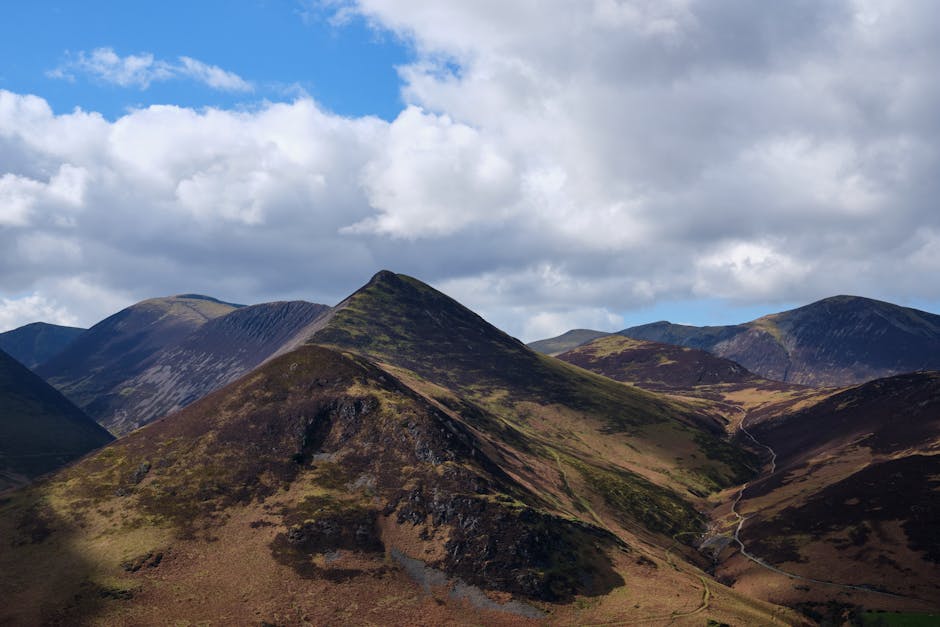
Fell walking in the Lake District is one of Britain's most rewarding outdoor pursuits, but choosing the right route requires careful consideration. Whether you're a seasoned hillwalker or taking your first steps onto the fells, understanding what makes a good route is essential for safety and enjoyment.
The Lake District contains some of England's most iconic peaks, from the relatively gentle slopes of Catbells to the more challenging terrain of Helvellyn and Scafell Pike. Each fell presents different challenges depending on weather conditions, your fitness level, and the season. Spring and summer offer longer daylight hours and generally more stable weather, making them ideal for beginners, whilst autumn and winter require greater experience and preparation.
When selecting a route, consider these key factors:
- Distance and elevation gain - Don't judge difficulty solely on distance; a short route with significant elevation gain can be more demanding than a longer, flatter walk
- Terrain type - Scree slopes, rocky outcrops, and boggy ground all require different footwear and techniques
- Weather exposure - Higher fells are exposed to rapidly changing weather; check forecasts and allow extra time
- Navigation requirements - Some routes are well-marked paths, whilst others require map and compass skills
- Water crossings - After heavy rain, streams can become impassable; scout alternative routes beforehand
Many fell walkers use the Wainwright guides, the definitive fell-walking reference written by Alfred Wainwright. These detailed guides describe 214 Lake District fells with hand-drawn maps and comprehensive route information. They remain invaluable for planning and navigation.
Before heading out, invest in proper equipment. Fell-walking boots with good ankle support and grip are essential, along with waterproof jacket and trousers, as weather changes rapidly at altitude. Carry a map and compass, and consider a GPS device as backup. Always tell someone where you're going and when you expect to return.
Start with established, well-trodden routes like Catbells, Skiddaw, or Helvellyn via Striding Edge. These routes offer rewarding summit views whilst remaining relatively straightforward for fit walkers. As your experience grows, you can tackle more remote and challenging fells.
The key to enjoyable fell walking is respecting the mountains. They demand preparation, appropriate clothing, and realistic assessment of your abilities. Take your time, enjoy the landscape, and remember that reaching the summit isn't everything—safety and enjoyment matter most.