Preparing for Winter Walking: Safety and Equipment Essentials
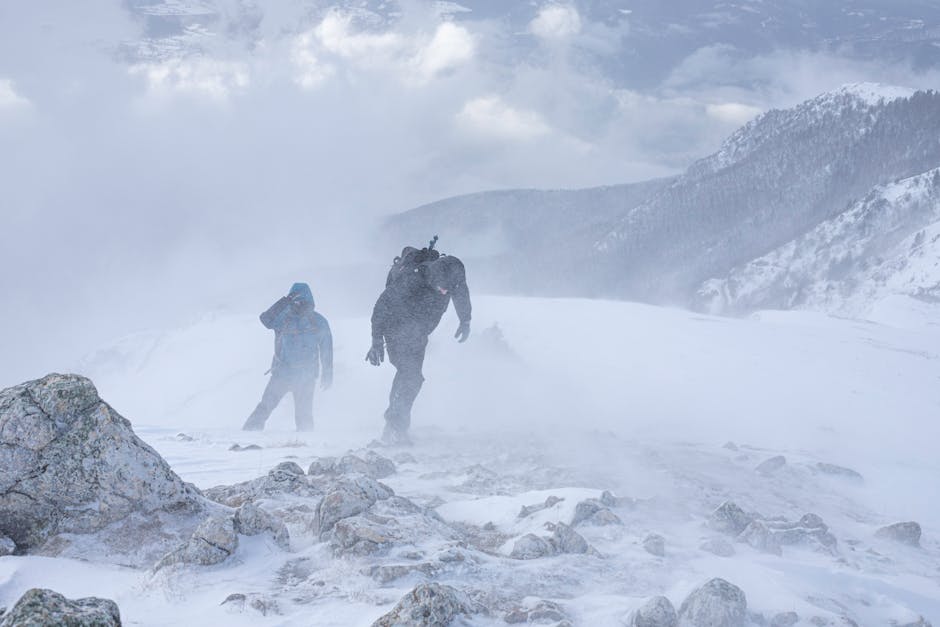
Winter walking in the UK mountains presents increased risks compared to summer fell walking. Shorter daylight hours, frozen ground, ice, and rapidly deteriorating weather demand different preparation and equipment. However, winter walking also offers unique rewards—snow-covered peaks, solitude, and stunning landscapes.
Winter in the Lake District and Scottish Highlands can be serious. Temperatures drop significantly with altitude, visibility diminishes quickly, and conditions change rapidly. Understanding these challenges and preparing appropriately is essential.
Physical preparation
Winter walking demands greater fitness than summer equivalents. Snow and ice slow progress considerably, and steep slopes become significantly more dangerous. Build fitness through autumn and early winter training. Include hill repetitions to develop leg strength and cardiovascular fitness needed for winter conditions.
Essential equipment
Beyond standard fell-walking gear, winter walking requires additional equipment:
- Microspikes or crampons - These strap under your boots, providing grip on ice and frozen ground. Microspikes suit gentler slopes, whilst full crampons are essential for steeper terrain
- Ice axe - Provides security on steep slopes and aids self-rescue. Learn proper technique before relying on one
- Winter boots - Insulated, waterproof boots with good ankle support are essential. Summer boots offer insufficient insulation and grip
- Extra layers - Merino wool base layers, insulating mid-layers, and a quality waterproof outer layer are crucial. Avoid cotton, which loses insulating properties when wet
- Hat and gloves - You lose significant heat through your head; good insulation here is vital
- High-energy food and hot drinks - Winter walking burns more calories; carry more food than in summer
Navigation challenges
Snow obscures paths and landmarks, making navigation significantly harder. Carry map, compass, and GPS device. In whiteout conditions, visibility can reduce to metres. Consider turning back if conditions deteriorate—reaching a summit isn't worth risking your life.
Avalanche awareness
Whilst major avalanches are uncommon in the Lake District compared to Scottish Highlands, snow accumulation on steep slopes can slide. Avoid steep gullies and slopes after heavy snowfall. Check avalanche forecasts for Scottish mountains before visiting.
Daylight management
Winter days are short. In December, daylight lasts only about eight hours. Start walks early and plan routes allowing return well before darkness. Carry a headtorch with spare batteries.
Know when to stop
Winter mountaineering claims lives each year. Respect the mountains—if conditions feel unsafe, retreat. There's no shame in turning back. Experience and judgment matter more than stubbornness when winter walking.